A day in the Life
First we wake up around 6:30 am and get dressed and ready for the day. At 7:00 am we go down for breakfast. A typical breakfast here consists of a bocadillo which is basically just a ham and cheese sandwich on crunchy bread with some pineapple juice and fruit. At 7:20 am Summer goes back up to the room to work on her classes, and I head to the hospital. It takes about 30 minutes to get there. I first catch the metro to a certain plaza and then catch a bus a few blocks away that will drop me at the front door of the hospital.
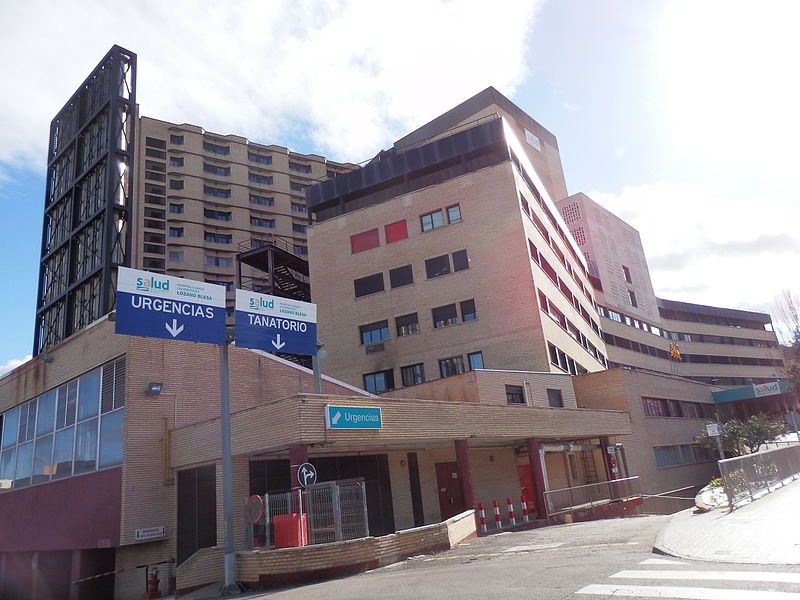
I go up to the 2nd floor to the Traumatology department. The first hour is usually a meeting with all the doctors and residents in the department where we would go over new patients and go over previous cases and surgeries. Then around 9:00 am everyone would split and go to their different places. I would go down with one of the residents to the operating room where we would stay until around 2:00 depending on the surgeries that needed to be performed that morning. First I would change into scrubs and we would wait while the nurses prepared the patients for their respective surgeries.
I go up to the 2nd floor to the Traumatology department. The first hour is usually a meeting with all the doctors and residents in the department where we would go over new patients and go over previous cases and surgeries. Then around 9:00 am everyone would split and go to their different places. I would go down with one of the residents to the operating room where we would stay until around 2:00 depending on the surgeries that needed to be performed that morning. First I would change into scrubs and we would wait while the nurses prepared the patients for their respective surgeries.

After around 5 hours of observation I would change back into my normal clothes and lab coat and head up the cafeteria for lunch. Usually around 14:00 - 14:30, and then I would leave the hospital and walk back to the tram and then go back to the residence. On a typical day I would rest for a minute and then work on homework for approximately an hour. Summer and I then go on a run, often on the trail system through the woods near our residence.

We also stop by the park to do some exercises like pull ups and dips.
Once or twice a week we teach English classes in the hospital to staff members, however, every time my class has been cancelled because no students have showed up to the class.
Also on a typical day, we will visit a historical site in Zaragoza and eat dinner as a group. Examples of such historical sites are La Basilica del Pilar, la Aljaferia, or other Roman ruins and museums.


There is a lot of history here in Zaragoza, so there are lots of monuments and sites to see. Dinner here in Spain mostly consists of “tapas” which are basically several rounds of appetizers shared between everyone. There isn’t exactly a main course, however, it is still very filling and very delicious. A few of my favorites have been croquetas and tortilla de patata.
After dinner we ride the tram back to our apartments and get ready for bed.
That basically sums up a day in the life of a global health intern in Spain!
(599 words)
(599 words)
Comments
Post a Comment